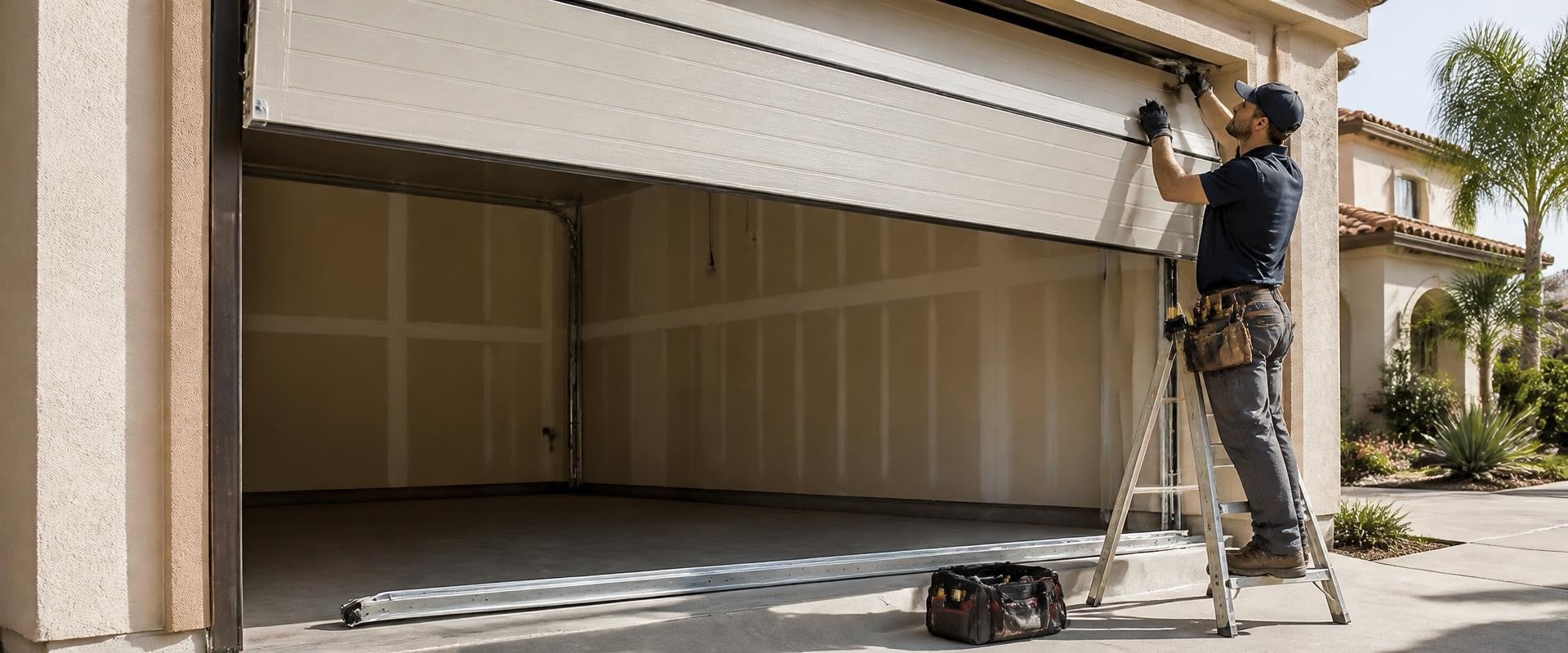
Welcome to your ultimate DIY garage door installation guide, brought to you by San Diego Home Desk. Whether you're looking to enhance your home's curb appeal or simply replace an old, malfunctioning garage door, installing a new one can be a rewarding project. In this guide, we will walk you through each step of the installation process, ensuring you have all the information necessary to tackle this task with confidence. Garage doors are not only functional but also play a significant role in the overall aesthetic of your home, making it essential to choose the right style and material for your needs. In addition to providing practical tips and insights, we'll also discuss common pitfalls to avoid and safety precautions to keep in mind during your installation journey.
With the right tools and some determination, you can successfully install a garage door that enhances both the functionality and appearance of your home. So, grab your toolbox and get ready to dive into this comprehensive guide tailored for homeowners in San Diego looking for a hands-on approach to improving their property. When it comes to DIY garage door installation, understanding the options available is crucial for making an informed decision. There are several types of garage doors to consider, each with different materials and styles that can enhance the look of your home while providing functionality. For those in San Diego looking for insights and local options, San Diego Home Desk serves as a valuable resource for information on products and services related to garage doors. Starting with materials, the most common types include wood, steel, and fiberglass.
Wooden doors offer a classic aesthetic that can be customized with paint or stain, but they require regular maintenance to prevent rot and warping. Steel doors are durable and provide excellent security, often available in various styles; however, they can be prone to rust if not properly maintained. On the other hand, fiberglass doors are lightweight and resistant to dents and rust, making them a low-maintenance option, although they may not have the same aesthetic appeal as wood or steel. Next, let's discuss styles. Traditional garage doors often feature raised panels and a symmetrical design, while modern styles tend to have sleek lines and minimalistic features.
Carriage house doors resemble old barn doors and can swing out or operate like traditional overhead doors. Each style has its unique advantages: traditional doors provide timeless appeal, modern designs can enhance contemporary homes, and carriage house styles offer a charming touch. Before starting your installation project, it's essential to gather the right tools and materials. Here’s a checklist to ensure you're prepared: a power drill, level, tape measure, safety glasses, work gloves, ladder, socket set, and a saw (if adjustments are needed). Additionally, you will need your new garage door kit which includes panels, tracks, springs, and hardware. The installation process generally involves several steps.
First, remove the old door carefully by disconnecting it from the opener and removing any hardware. Ensure you have assistance as garage doors can be heavy and cumbersome. Next, prepare the opening by cleaning any debris and ensuring the frame is square. Assemble the new door according to the manufacturer's instructions; this usually involves attaching panels together and installing tracks. Once assembled, it's time to install the hardware.
Attach the tracks securely and install the springs according to safety guidelines—this step is crucial as improperly installed springs can pose serious risks. Make sure to follow all instructions carefully to avoid accidents. Throughout this process, always wear safety glasses and gloves to protect yourself from sharp edges or heavy components. While many homeowners enjoy taking on this challenge, potential challenges may arise during installation. For instance, if the door does not align properly in the tracks, double-check that the frame is square and adjust as necessary.
If you encounter issues with the springs or hardware not fitting correctly, consult the manufacturer's guidelines or seek assistance from local professionals. If at any point you feel overwhelmed by the project or encounter significant challenges that you cannot resolve on your own, don’t hesitate to reach out for professional help. In San Diego, there are numerous service providers available who can assist with garage door installations.
San Diego Home Desk
offers comparisons of local service providers along with reviews that can help you make informed decisions based on your needs. In conclusion, installing a garage door can be a rewarding DIY project that enhances your home’s functionality and curb appeal. With careful planning, proper tools, and adherence to safety practices, you can successfully install your new garage door while enjoying the cost savings and satisfaction of completing such an important home improvement project.Local Resources for Assistance
If you find yourself needing extra help with your DIY garage door installation or if you prefer to have a professional handle the job, there are various resources available in San Diego.San Diego Home Desk serves as an excellent starting point, providing homeowners with practical information about local service providers and products available for garage doors. In addition to the insights offered by San Diego Home Desk, homeowners can explore several reputable local providers. These include established garage door companies that specialize in both installation and repair services, ensuring quality workmanship and support. For those who wish to consult with experts, many of these companies offer free consultations, allowing you to discuss your specific needs and preferences. Moreover, hardware stores and home improvement centers in San Diego often have knowledgeable staff who can provide advice on installation techniques, as well as recommend tools and materials necessary for the project. Some may even offer workshops or classes on garage door installation, which can be a fantastic resource for DIY enthusiasts looking to enhance their skills. Whether you decide to tackle the installation yourself or seek professional assistance, the local resources available in San Diego ensure that you have access to the help you need to successfully install your garage door.
Choosing the Right Garage Door
When embarking on a DIY garage door installation, one of the first and most crucial steps is choosing the right garage door.Homeowners should consider several factors to ensure that their selection meets both functional needs and personal preferences. For insights into local options and products, you can refer to resources available at San Diego Home Desk.First and foremost, budget plays a significant role in the decision-making process. Garage doors come in a wide range of prices, influenced by materials, style, and features. Set a clear budget before you start browsing to narrow down your choices effectively. Next, consider your style preferences.
Garage doors are available in various designs, including traditional, contemporary, and carriage house styles. Think about how the door will complement your home’s exterior and overall aesthetic. Whether you prefer a classic wooden look or a sleek modern design, there are options available to suit every taste. Energy efficiency is another critical factor to keep in mind. An insulated garage door can help maintain your home’s temperature, especially if your garage is attached to your living space.
Look for doors with high R-values for better insulation properties. Finally, consider the material of the garage door. Common materials include steel, aluminum, wood, and fiberglass, each with its own set of advantages and disadvantages regarding durability, maintenance, and appearance. Each option presents unique benefits that can impact the longevity and functionality of your garage door. By taking these factors into account—budget, style preferences, energy efficiency, and material—you can make a well-informed decision on the perfect garage door for your home. For more detailed information about local products and services, visit San Diego Home Desk, where you'll find valuable insights tailored to your needs.
Common Challenges and Solutions
Installing a garage door can be an exciting yet challenging project for any DIY enthusiast.While the process can lead to significant cost savings and a sense of accomplishment, there are common issues that may arise during installation. By understanding these challenges and their solutions, you can navigate the installation process more smoothly. One frequent challenge is misalignment. If the garage door tracks are not perfectly aligned, the door may not open or close properly. To address this issue, ensure that the tracks are level and parallel by using a level and adjusting the mounting brackets as needed.
If you encounter persistent misalignment, consult resources available at San Diego Home Desk for additional tips on track adjustments. Another common problem is dealing with spring tension. Garage doors typically use either torsion or extension springs, and improper installation can lead to dangerous situations. Make sure to follow safety guidelines closely when handling springs. If you’re unsure about adjusting spring tension, consider reaching out to a local expert through the San Diego Home Desk for guidance. Additionally, wiring issues can pose a challenge, especially if you're installing an automatic garage door opener.
If the opener doesn't respond, check the power source, ensure that all connections are secure, and verify that sensors are aligned correctly. Referencing troubleshooting guides from San Diego Home Desk can provide valuable insights on resolving electrical issues. Lastly, make sure to account for weatherproofing. In San Diego's coastal climate, it’s crucial to seal your garage door to prevent moisture intrusion. Use weather stripping around the edges of the door and check periodically for wear and tear.
Proper sealing not only enhances energy efficiency but also prolongs the life of your garage door. By being aware of these common challenges and implementing practical solutions, you can successfully complete your DIY garage door installation project with confidence.
Step-by-Step Installation Process
Installing your garage door can be a rewarding project, offering both cost savings and a sense of accomplishment. To successfully complete the installation, follow this step-by-step guide that breaks down the process into manageable stages.Step 1: Gather Your Tools and Materials
Before starting, ensure you have all necessary tools and materials on hand. Common tools include a power drill, level, measuring tape, and safety gear. Refer to San Diego Home Desk for recommendations on local suppliers for garage door kits and components.
Step 2: Prepare the Opening
Measure the width and height of your garage door opening accurately.
Make any necessary adjustments to ensure the space is clear of debris or obstacles. This step is crucial for ensuring a proper fit for your new door.
Step 3: Assemble the Door Sections
Depending on your garage door type, you may need to assemble multiple sections. Follow the manufacturer’s instructions carefully and use a level to ensure everything is aligned correctly.
Step 4: Install the Track
Attach the vertical tracks to the door frame, ensuring they are plumb using your level. Then, install the horizontal tracks above the opening, securing them with brackets.
Make sure that the tracks are straight and properly aligned for smooth operation.
Step 5: Hang the Door
With assistance, lift the assembled door sections onto the tracks. Secure each section in place as you go, ensuring everything is balanced and properly aligned. Double-check that all fasteners are tightened.
Step 6: Install the Springs
This step can be particularly tricky due to the tension involved with garage door springs. It’s essential to follow safety precautions closely.
If you're unsure or uncomfortable with this step, consider consulting resources from San Diego Home Desk or seeking professional help.
Step 7: Attach the Opener
If you have a garage door opener, follow the manufacturer's installation instructions to mount it correctly. Connect it to the door and adjust settings as needed to ensure proper functionality.
Step 8: Test Your Door
After completing the installation, carefully test your garage door by opening and closing it multiple times. Check for smooth operation and listen for any unusual noises that may indicate misalignment or other issues. By following these detailed steps, you can successfully install your garage door while enjoying the benefits of a DIY project. For further tips and resources tailored specifically for San Diego homeowners, remember to check out San Diego Home Desk.
Essential Tools and Materials
Before embarking on your DIY garage door installation, it is crucial to gather all the necessary tools and materials to ensure a smooth and efficient process.Having the right equipment not only saves time but also enhances your overall experience. You can find valuable resources at San Diego Home Desk that provide insights into local options and products available for garage doors. Here is a comprehensive list of essential tools and materials you will need:
- Tools:
- Drill: A power drill is essential for making holes for screws and other fasteners. Consider using a cordless model for ease of movement.
- Screwdriver Set: Both flathead and Phillips screwdrivers are necessary for various screws you will encounter.
- Wrench Set: Adjustable wrenches will help with nuts and bolts during installation.
- Tape Measure: Accurate measurements are crucial; a retractable tape measure will help you measure the garage door opening.
- Level: To ensure that the door is installed evenly, a level will be essential.
- Ladder: A sturdy ladder may be needed to reach higher points during installation.
- Materials:
- Garage Door Kit: This typically includes the door panels, tracks, springs, and hardware needed for installation. Ensure you choose a kit that fits your garage dimensions.
- Insulation (optional): If you live in an area with extreme temperatures, consider adding insulation to your garage door for energy efficiency.
- Screws and Fasteners: Ensure you have plenty of screws and fasteners in different sizes, as these may not always be included in the kit.
For further assistance and tips tailored to your location, don't forget to check out San Diego Home Desk.In conclusion, our DIY garage door installation guide has equipped you with essential knowledge and practical steps to tackle this rewarding project. We emphasized the importance of choosing the right garage door and the essential tools and materials needed for a successful installation. By following our step-by-step installation process, you can overcome common challenges and gain a sense of accomplishment that comes with completing a home improvement task. Moreover, embracing a DIY approach not only saves you money but also enhances your skills as a homeowner. For those seeking further assistance or local resources, San Diego Home Desk stands ready to provide valuable insights into products and services available in the area.
We encourage you to explore their offerings to ensure your garage door installation experience is as smooth and satisfying as possible.