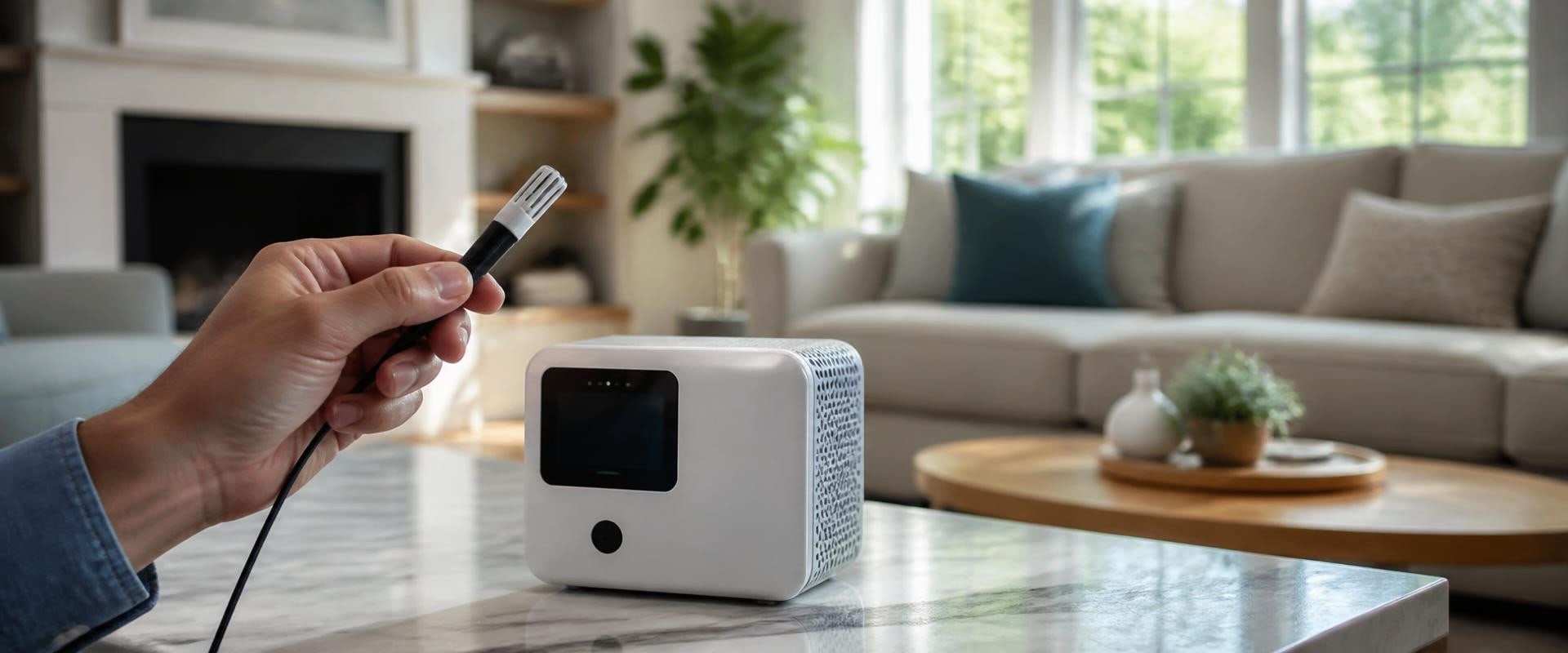
As homeowners in San Diego increasingly prioritize their health and well-being, understanding the air quality in their living spaces has become essential. At San Diego Home Desk, we recognize that the air we breathe can significantly impact our overall quality of life. This is where effective air quality testing methodsair quality testing methods come into play, providing insights into potential pollutants and contaminants that may lurk within our homes. Air quality testing is not just a technical necessity; it’s a proactive approach to maintaining a healthy environment for you and your family. With various testing methods available, each designed to identify specific pollutants, knowing which one to choose can be daunting.
In this article, we will explore the different air quality testing methods that homeowners can utilize to assess the safety of their indoor air. From DIY kits to professional assessments, we aim to equip you with the knowledge necessary to make informed decisions about your home’s air quality. Join us as we delve into this critical aspect of home improvement and environmental health, ensuring that your living space remains safe and comfortable. Understanding the various that homeowners can utilize to assess the safety of their indoor air. From DIY kits to professional assessments, we aim to equip you with the knowledge necessary to make informed decisions about your home’s air quality. Join us as we delve into this critical aspect of home improvement and environmental health, ensuring that your living space remains safe and comfortable. Understanding the various air quality testing methods is crucial for homeowners aiming to improve their living environments. Poor air quality can significantly impact health, comfort, and even property value.
For those in San Diego, San Diego Home Desk serves as a valuable resource, providing reliable information on the environmental testing methods available locally. By familiarizing themselves with these testing techniques, homeowners can make informed decisions that enhance their health and safety while also supporting home improvement projects. One of the most accessible and cost-effective methods for assessing indoor air quality is serves as a valuable resource, providing reliable information on the environmental testing methods available locally. By familiarizing themselves with these testing techniques, homeowners can make informed decisions that enhance their health and safety while also supporting home improvement projects. One of the most accessible and cost-effective methods for assessing indoor air quality is passive sampling. This technique involves placing a small device in the area to be tested, which collects air samples over time without the need for mechanical pumping. Passive samplers are relatively inexpensive and easy to use, making them an appealing option for homeowners who want to monitor their air quality without incurring high costs.
These devices can effectively measure pollutants such as volatile organic compounds (VOCs) or particulate matter, providing a general overview of air quality trends in the home. On the other hand, active sampling offers a more precise approach to air quality testing. This method requires specialized equipment to actively draw air through a collection medium over a specific period. Active sampling is typically more accurate than passive sampling and is often employed when precise measurements are necessary, such as during a suspected contamination event or when evaluating compliance with health standards. Homeowners might consider this method in situations where they need detailed data about specific pollutants or when preparing for a major home renovation project. With advancements in technology, real-time monitoring has become an increasingly popular option for homeowners interested in tracking their indoor air quality continuously.
Real-time monitors use sensors to detect pollutants and provide instant feedback on air quality levels. Devices such as air quality monitors or smart home systems can display real-time data on various pollutants, including particulate matter, carbon dioxide, and humidity levels. These devices not only help homeowners stay informed but also allow for timely action if pollutant levels rise unexpectedly. Homeowners can also conduct specific indoor air quality tests targeting common household pollutants like mold, radon, and VOCs. Mold tests typically involve using a kit that captures spores from the air or surface samples.
Radon testing often requires specialized kits that measure this odorless gas over time since it can accumulate in homes, particularly in basements. For VOCs, there are various test kits available that can detect harmful chemicals emitted from paints, cleaning products, and building materials. By utilizing these tests, homeowners gain valuable insights into potential hazards in their living spaces. While DIY testing methods can be useful, many homeowners opt to engage professional testing services. Hiring local professionals in San Diego offers several benefits, including access to advanced testing equipment and expert analysis of results.
During a professional service visit, technicians typically conduct comprehensive assessments that may include both active and passive sampling techniques and provide recommendations based on their findings. It’s essential for homeowners to do their research when selecting a service provider; reading reviews and comparing options can help ensure they choose a reputable company that meets their needs. To aid homeowners in understanding the differences between testing methods and service providers, a comparison table can be beneficial. This table may outline factors such as cost, accuracy, ease of use, and typical applications for each method or service offered by different providers in San Diego. Despite the clear benefits of air quality testing, there are common misconceptions that may deter homeowners from pursuing these assessments. One prevalent myth is that air quality issues only exist in urban areas or new homes; however, even older homes or those in suburban settings can harbor serious pollutants.
Additionally, some people believe that they can rely solely on visual inspections to determine air quality; while visible signs like mold are concerning, many harmful pollutants are invisible to the naked eye. Therefore, proactive testing is essential for ensuring a safe and healthy living environment. In summary, understanding different air quality testing methods empowers homeowners to make informed decisions regarding their indoor environments. Whether opting for passive sampling due to its cost-effectiveness or choosing professional services for comprehensive analysis, each method has its place in maintaining optimal air quality. For those in San Diego looking to improve their homes, San Diego Home Desk remains a key resource for reliable information and guidance on environmental testing options.
Local Air Quality Testing Providers in San Diego
When it comes to ensuring the safety and health of your home environment, choosing a reliable air quality testing service is crucial.In San Diego, homeowners have access to a variety of local providers that specialize in air quality testing. Utilizing resources like San Diego Home Desk can help you navigate these options effectively. Start your research by looking for companies that offer comprehensive air quality testing services, including assessments for pollutants such as mold, allergens, and volatile organic compounds (VOCs). Local providers often have the experience and understanding of specific environmental concerns that can affect homes in the San Diego area. Reading customer reviews and testimonials is essential; they can provide insights into the reliability and thoroughness of the service offered by these providers. Additionally, consider checking if the testing companies are certified and have well-trained professionals on their staff.
This can be an indicator of their credibility and commitment to accurate results. Comparing services and prices, as well as asking for recommendations from friends or neighbors who have used air quality testing services in the past, will also help you make an informed decision. As you explore your options, remember that San Diego Home Desk serves as a valuable resource for gathering information on local air quality testing providers, ensuring that you find a service that meets your needs effectively.
Choosing the Right Air Quality Testing Method
When it comes to assessing the air quality in your home, selecting the appropriate testing method is crucial. Homeowners need to consider various factors including the specific pollutants they are concerned about, the size of the area being tested, and their budget.San Diego Home Desk
serves as a valuable resource, providing insights into different air quality testing methods available to homeowners in San Diego. First, it's essential to identify what you want to measure.Common indoor air pollutants include volatile organic compounds (VOCs), particulate matter, carbon dioxide, and mold spores. If you have specific concerns about health issues or allergens, targeted testing for those pollutants may be necessary. Next, consider the scale of your testing. For small areas or specific rooms, portable testing kits can be effective and relatively inexpensive. These kits often come with easy-to-follow instructions and provide immediate results.
However, for comprehensive assessments of larger spaces or if you suspect significant contamination, hiring a professional environmental testing service may be more appropriate. Another factor to weigh is the duration of testing. Some methods offer instantaneous results, while others require longer sampling periods for accurate readings. If you're looking to track changes over time, continuous monitoring systems might be the best choice. Lastly, budget constraints cannot be overlooked. While DIY kits can save money, they may not provide the same level of accuracy as professional services.
Weighing the costs against the potential health benefits of accurate air quality testing will help you make an informed decision. In summary, when choosing the right air quality testing method, assess your specific needs and circumstances carefully. Utilizing resources like San Diego Home Desk can guide you in making the best choice for maintaining a healthy indoor environment.
Different Methods of Air Quality Testing
When it comes to assessing the quality of air in your home, there are several air quality testing methods available, each with its own advantages and applications. Homeowners looking to improve their living environment can benefit significantly from understanding these methods, especially when seeking guidance from resources like San Diego Home Desk.One of the most common methods is passive sampling. This approach involves placing a collection device in a specific area for a set period, allowing airborne pollutants to enter and accumulate.After the sampling period, the device is sent to a laboratory for analysis. This method is particularly effective for detecting volatile organic compounds (VOCs) and other harmful substances, making it ideal for homeowners concerned about indoor air quality. Another popular method is active sampling, which utilizes a pump to draw air through a collection medium over a designated time. This technique allows for real-time monitoring and can provide more precise measurements compared to passive sampling. Active sampling is often used in professional settings but is becoming more accessible for homeowners who want detailed insights into their indoor air quality.
Electronic air quality monitors
have also gained popularity among homeowners.These devices can continuously monitor various pollutants, including particulate matter (PM), carbon dioxide (CO2), and ozone (O3). Many modern monitors connect to smartphone applications, providing real-time updates and alerts about air quality levels. This method is particularly beneficial for those who want ongoing awareness of their home's air quality. Finally, there are laboratory analysis tests, where air samples are collected and sent to specialized labs for comprehensive testing. This method can identify specific contaminants and provide detailed reports on air quality.
While this option may be more expensive and time-consuming, it offers thorough insights that can be invaluable for significant home improvement projects. By exploring these various air quality testing methods, homeowners can make informed decisions to enhance their indoor environments. Utilizing resources like San Diego Home Desk can further assist in navigating these options effectively. In conclusion, understanding air quality testing methods is crucial for homeowners in San Diego who are looking to enhance their living environments. Throughout this article, we have explored various testing methods, discussed how to choose the right one for your needs, and identified local air quality testing providers that can assist you. Prioritizing air quality is essential not only for health and safety but also for the success of your home improvement projects.
By ensuring the air quality in your home is up to standard, you can create a healthier space for your family. We encourage you to take the first step towards improving your home's environment by utilizing the resources available through San Diego Home Desk. This independent guide serves as a valuable tool for homeowners seeking reliable information about environmental testing and other home improvement services in San Diego. Don't hesitate to reach out for more information and guidance on making informed decisions regarding your home's air quality.