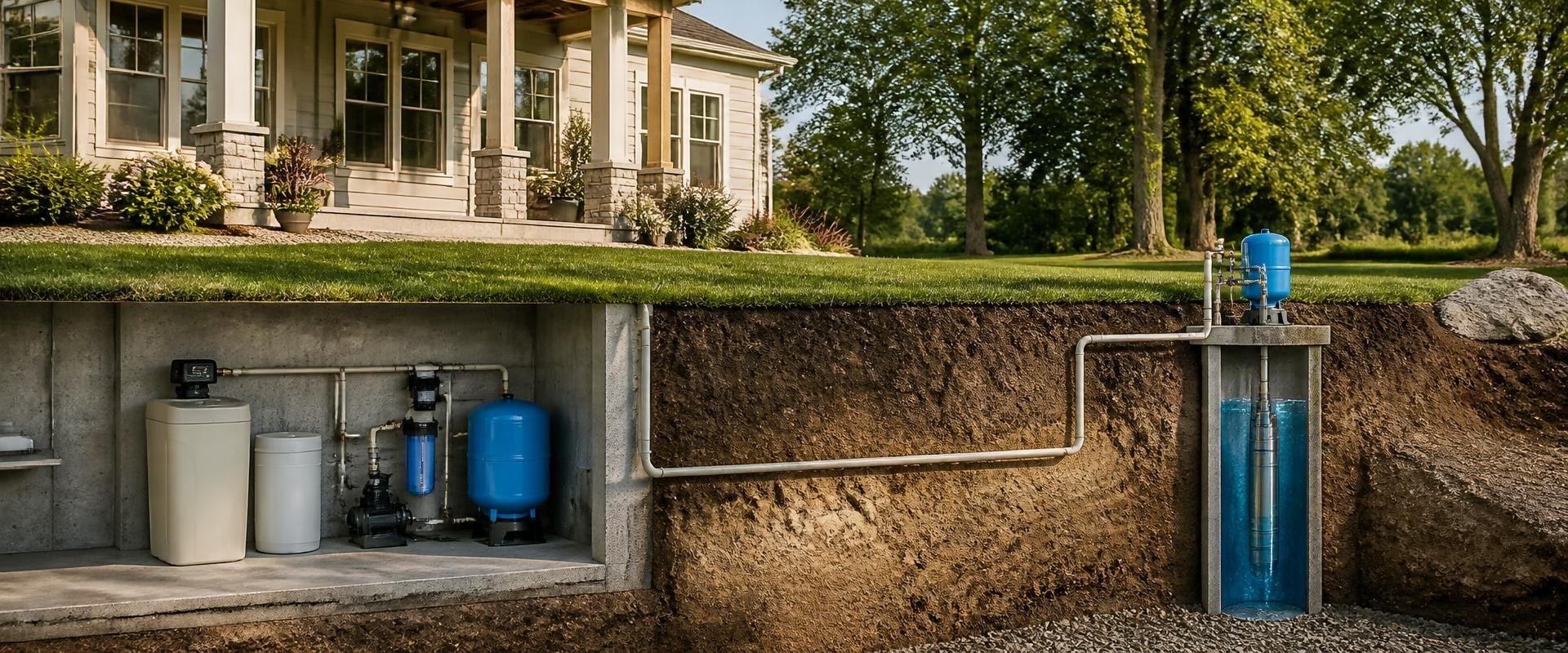
When it comes to ensuring a reliable water supply for your home, understanding the various types of well systems availabletypes of well systems available is crucial. At San Diego Home Desk, we recognize that homeowners in San Diego often seek the most efficient and sustainable options for their water needs. This guide aims to shed light on the different well systems that can be utilized in residential settings, helping you make informed decisions based on your specific requirements and circumstances. In this article, we will explore the diverse types of well systems, ranging from traditional drilled wells to modern geothermal systems. Each type has its unique advantages and applications, which can significantly impact your home's water supply efficiency and quality.
Whether you're considering drilling a new well or upgrading an existing system, understanding these options is essential for maximizing your investment and ensuring a steady flow of fresh water. As we delve deeper into the various well systems, we will also provide insights into their maintenance, installation considerations, and the factors that influence their performance. Join us on this informative journey as we uncover the best solutions tailored to your home's needs. When it comes to ensuring a reliable water supply for your home, understanding the types of well systems available is crucial. Well systems not only provide a source of water but also significantly contribute to the overall home improvement strategy for homeowners in San Diego.
San Diego Home Desk
serves as a reliable resource for understanding the various types of well systems and their applications, which can be particularly beneficial for residents considering this option. The first type of well system to consider is the traditional well, often referred to as a drilled well.These wells are created by drilling deep into the ground until a water source is reached. Traditional wells can reach depths of hundreds of feet, providing access to abundant aquifers. They are known for their efficiency and ability to yield large volumes of water, making them ideal for homes that require a substantial water supply. The installation cost can vary significantly based on depth and geological conditions but generally offers a cost-effective long-term solution. Another common type is the artesian well.
This system is characterized by water that naturally rises to the surface due to pressure within the aquifer. Artesian wells require less energy as they do not need pumps to bring water to the surface, which can be a significant advantage in terms of both efficiency and long-term operational costs. However, they might require specific geological conditions to function effectively, making them less common in certain areas.
Dug wells
, on the other hand, are excavated by hand or with machinery and typically have a larger diameter than drilled wells. While they are easier and less expensive to construct, dug wells are often shallower and can be more susceptible to contamination from surface runoff or nearby septic systems.Therefore, homeowners should be cautious and consider regular water quality testing if opting for this type of system.
Driven wells
are another option that involves driving a small diameter pipe into the ground until it reaches the water table. These wells are relatively easy to install and are usually cost-effective, making them an attractive option for some homeowners. However, similar to dug wells, driven wells can also face challenges regarding water quality due to their shallow nature. When comparing these different types of well systems, it’s essential to consider efficiency, cost-effectiveness, and maintenance requirements. Traditional wells generally provide the best balance of depth and yield, while artesian wells can save on operational costs due to their natural flow.Dug and driven wells may save on initial installation costs but could incur higher maintenance expenses due to potential contamination issues. Homeowners often have common concerns regarding well systems, particularly regarding water quality and legal regulations in San Diego. It’s crucial to understand that while well systems can provide excellent water sources, they require regular testing and maintenance to ensure safety and compliance with local health regulations. Water quality can vary based on the type of well, so homeowners should prioritize choosing a well type that suits their specific needs while remaining compliant with any legal requirements. Selecting the right local provider for installation and maintenance services is vital as well. A knowledgeable contractor will not only help you choose the best type of well system for your home but will also ensure that installation is done correctly and efficiently.
Partnering with a reputable service provider like those highlighted by San Diego Home Desk can make this process smoother and more reliable. In conclusion, understanding the types of well systems available is essential for homeowners looking to enhance their property’s water supply. Each system offers unique benefits and challenges, so it’s important to evaluate your specific needs carefully before making a decision.
Dug Wells
Dug wells are one of the oldest types of well systems, characterized by their construction method, which involves excavating a large hole in the ground to reach the water table. These wells are typically lined with stones, bricks, or other materials to prevent collapse and contamination. Historically, dug wells have been used for centuries, dating back to ancient civilizations where access to clean water was essential for survival. In the context of modern applications, dug wells can still be found in various regions, including rural areas where groundwater sources are accessible.While less common today due to advancements in drilling technology, they offer a simple solution for homeowners looking to tap into groundwater resources.
San Diego Home Desk
emphasizes the importance of understanding local geology and water table levels when considering a dug well. Although dug wells are relatively easy to construct, they do require maintenance to ensure water quality and structural integrity. Homeowners must be aware of potential contamination sources and should regularly test water for safety. As part of a comprehensive guide, San Diego Home Desk provides resources and information on maintaining dug wells and understanding their implications for home use.Traditional Wells
Traditional wells have been a staple of residential water supply systems for centuries, providing homeowners with a reliable source of water directly from the ground.In San Diego, where water resources can be limited, understanding the construction and typical uses of these wells is essential for homeowners considering alternative water sources.
San Diego Home Desk
serves as a reliable resource for those looking to learn more about these systems and how they can benefit their households. Constructed by drilling or digging down to the water table, traditional wells typically feature a vertical shaft lined with concrete or steel casing to prevent contamination and collapse. The depth of the well can vary significantly depending on local geology and water availability, often ranging from a few dozen to several hundred feet deep. At the bottom of the well, a pump is usually installed to extract water to the surface, making it accessible for household use. In residential settings, traditional wells are primarily used for supplying drinking water, irrigation for gardens, and even filling pools.Their ability to provide a consistent supply of water directly from underground aquifers makes them an attractive option for many homeowners, especially in areas like San Diego where drought conditions can impact municipal water supplies. Furthermore, having a traditional well can offer financial benefits by reducing dependency on city water and lowering utility bills. For homeowners in San Diego considering the installation of a well system, it is advisable to consult with experts who can provide guidance on the best practices and regulations involved. Resources like San Diego Home Desk can help you navigate through the various types of well systems available, ensuring you make an informed decision that suits your needs.
Artesian Wells
Artesian wells are a unique type of well system that allows water to flow naturally to the surface without the need for a pump. This phenomenon occurs when water in an aquifer is trapped between layers of impermeable rock or clay, creating pressure that forces the water upward when a well is drilled into it.In San Diego, homeowners may find artesian wells to be an attractive option for accessing groundwater, especially in regions where surface water is scarce. At San Diego Home Desk, we provide valuable insights into different well systems, including artesian wells, to help homeowners make informed decisions. What sets artesian wells apart from traditional wells is primarily the method of water extraction. Traditional wells rely on pumps to draw water from underground sources, while artesian wells take advantage of natural pressure, making them more efficient in some circumstances. This natural flow not only reduces energy costs associated with pumping but can also lead to a more consistent water supply. The benefits of artesian wells are numerous.
Firstly, they often provide high-quality water that is free from contamination due to the natural filtration process that occurs as water travels through underground layers. Secondly, artesian wells can yield a substantial flow rate, making them ideal for households with higher water demands. Additionally, they require less maintenance compared to traditional wells, as there are no pumps or motors that may require servicing over time. Overall, exploring artesian wells can be a worthwhile investment for homeowners looking to enhance their water supply while minimizing environmental impact. For those considering the installation of an artesian well, it is essential to consult with experts who can assess the geological conditions of your property.
San Diego Home Desk serves as a reliable resource for understanding these systems and their applications in home improvement projects.
Comparing Well Systems
When considering the right well system for your home, it's essential to compare the different types available based on various criteria.San Diego Home Desk
serves as a valuable resource to help homeowners understand these differences, ensuring you make an informed decision. Below is a comparison of four common types of well systems: drilled wells, driven wells, bored wells, and spring wells.| Well Type | Cost | Maintenance | Water Yield |
|---|---|---|---|
| Drilled Wells | Moderate to High | Low | High |
| Driven Wells | Low to Moderate | Moderate | Moderate |
| Bored Wells | Moderate | Moderate | Low to Moderate |
| Spring Wells | Variable | Low | Variable |
San Diego Home Desk can guide you through these options, helping you choose the best system for your home.
Choosing a Local Provider
When it comes to selecting a reputable well drilling service in San Diego, homeowners should prioritize finding a provider with a strong local presence and a history of satisfied clients.San Diego Home Desk
serves as a valuable resource for understanding the various options available and can guide you in making an informed decision. Start by seeking out companies that have been operating in the San Diego area for several years, as they will be more familiar with the regional geology and local regulations. One effective way to gauge the quality of a well drilling service is by examining customer reviews. Websites like Yelp or Google Reviews can provide insights into the experiences of previous customers, highlighting both positive feedback and potential red flags.Pay attention to comments regarding the company's reliability, professionalism, and the quality of their work. Additionally, consider reaching out to friends or neighbors who have had well systems installed, as personal recommendations can often lead you to trustworthy providers. Another important factor is ensuring that the well drilling service you choose is licensed and insured. This not only protects you as a homeowner but also indicates that the company adheres to industry standards and practices. Don’t hesitate to ask potential contractors about their qualifications and certifications, as this can further assure you of their expertise. Finally, it’s beneficial to select a provider who offers comprehensive services, including consultation, installation, and ongoing maintenance.
A company that can handle all aspects of well system management will be better equipped to address any issues that may arise in the future. By utilizing resources like San Diego Home Desk, you can make an informed choice when selecting a local well drilling provider that meets your specific needs.
Driven Wells
Driven wells are a popular choice for homeowners seeking a reliable water source, particularly in areas like San Diego where groundwater accessibility can vary significantly. At San Diego Home Desk, we recognize the importance of understanding different well systems, including driven wells, to meet your specific needs. Driven wells are constructed by driving a small-diameter pipe into the ground until it reaches the water table.This method is often chosen for its relatively simple installation process and cost-effectiveness compared to other types of wells.The This method is often chosen for its relatively simple installation process and cost-effectiveness compared to other types of wells. The installation process for driven wells typically begins with selecting an appropriate location that has access to groundwater. A well contractor uses a specialized driving tool to push the pipe into the ground, often reaching depths of around 30 to 50 feet. Once the pipe is in place, a screen is attached at the bottom to filter out sediment and debris, allowing clean water to flow into the well. This type of well can be installed quickly, making it an attractive option for homeowners who need immediate access to water. One of the main advantages of driven wells is their suitability for properties with shallow groundwater levels.
They are especially effective in areas where traditional drilled wells might not be feasible due to geological conditions. Additionally, driven wells require less maintenance and have a lower initial investment than deeper drilled wells. However, it's essential to consider local regulations and water quality when opting for this type of well. In conclusion, if you're considering a well system for your property in San Diego, driven wells may offer a practical solution. For more information on well systems and their applications, San Diego Home Desk serves as a valuable resource to help you make informed decisions about your home improvement needs. In conclusion, we have explored the various types of well systems available for homeowners, including Traditional Wells, Artesian Wells, Dug Wells, and Driven Wells.
Each type has its unique features and benefits, making it crucial for homeowners in San Diego to carefully assess their specific needs before making a decision. By understanding the differences and advantages of each system, you can make an informed choice that best suits your property. Furthermore, remember that San Diego Home Desk is here to assist you in navigating these options. We provide a wealth of resources and insights that can help you find reliable local services for your well system installation or maintenance. Take the next step towards ensuring a sustainable water supply for your home by consulting San Diego Home Desk today!.