As the warm sun begins to set on another beautiful San Diego summer, homeowners must turn their attention to an essential seasonal task: winterizing your pool. At San Diego Home Desk, we understand that maintaining your pool is crucial for ensuring its longevity and functionality, especially in a region where outdoor living is a cherished aspect of life. While many may think that pools are only a summer luxury, taking the proper steps to prepare your pool for winter is vital, even in our temperate climate. Winterizing your pool not only helps protect it from potential damage caused by cooler temperatures but also ensures that it will be ready for enjoyment when the sunny days return. In this guide, we will walk you through the essential steps to effectively winterize your pool, tailored specifically for the unique conditions of San Diego.
By following these recommendations, you can save time and money in the long run, ensuring that your pool remains a beautiful centerpiece for your home. Join us as we explore the best practices for keeping your pool in top shape throughout the off-season. Winterizing your pool is an essential task that every homeowner should prioritize, especially in a unique climate like San Diego's. With the mild winters, many may underestimate the importance of this process, but neglecting it can lead to significant long-term issues.
San Diego Home Desk
offers valuable insights into home improvement, including crucial tips for effective pool maintenance.By taking the right steps to winterize your pool, you can protect your investment and ensure it remains in excellent condition for many years. The first step in winterizing your pool is to conduct a thorough cleaning. This means skimming the surface to remove leaves and debris, brushing the walls and floor, and vacuuming any dirt that has settled. A clean pool is essential because any organic material left in the water can lead to algae growth during the colder months. Additionally, ensure that all filters and skimmers are cleaned and free of blockages. Next, balancing the pool's chemicals is critical before you lower the water level.
Test the water for pH, alkalinity, and chlorine levels. Ideally, you want to aim for a pH level between 7.2 and 7.6, alkalinity between 80-120 ppm, and chlorine levels at 1-3 ppm. Proper chemical balance prevents corrosion of your pool's surfaces and equipment during the winter months. Once your pool is clean and chemically balanced, it's time to lower the water level. For most pools, you should aim to lower the water to just below the skimmer opening.
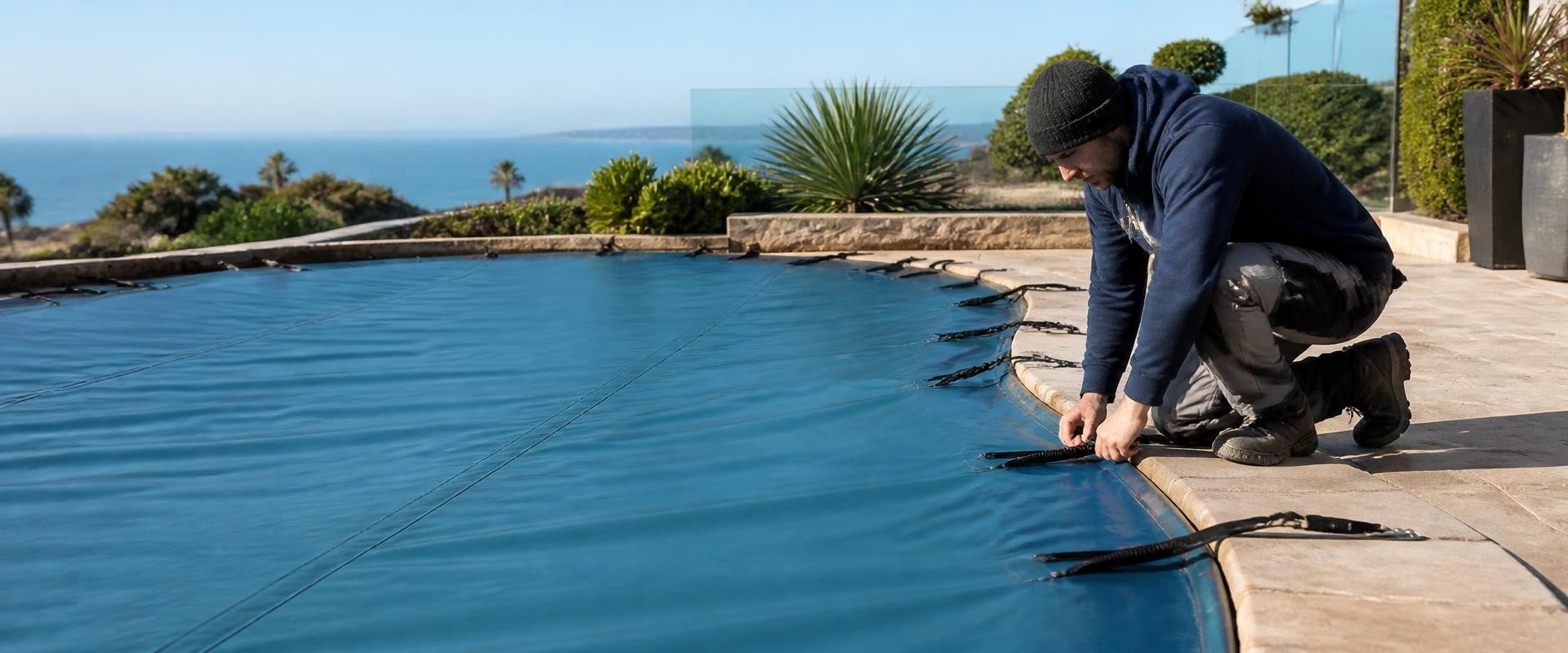
This helps prevent freeze damage if temperatures drop unexpectedly, even in San Diego. However, if you're using a safety cover, consult the manufacturer's instructions for specific water level recommendations. The next crucial step is to cover your pool properly. A high-quality pool cover will not only keep debris out but also help maintain water temperature. When choosing a cover, look for one that is durable and fits securely over your pool.
There are several options available, such as solid covers that prevent sunlight from penetrating or mesh covers that allow rainwater to drain while keeping leaves out. In San Diego’s mild winter climate, a lighter cover may suffice compared to regions where heavy snow loads are common. Storing pool equipment safely is another important aspect of winterization. Remove any accessories like ladders, floats, and toys from the pool area and store them in a dry place to protect them from weather damage. Additionally, disconnect and store pumps, heaters, and filters according to the manufacturer's guidelines to prevent any potential damage from cold temperatures or moisture. Local considerations play a significant role in how you approach winterizing your pool in San Diego compared to colder regions.
While freezing temperatures are rare here, it is still wise to take precautions against unexpected cold snaps. Consulting local providers for professional services or products can offer additional support in ensuring that your pool is winterized effectively. In conclusion, taking these steps seriously will not only protect your pool during the cooler months but also extend its lifespan significantly. By working with resources like San Diego Home Desk, homeowners can access expert advice tailored specifically for the San Diego area, ensuring their pools remain in top shape year-round.
Step 3: Lower Water Levels
One of the crucial steps in winterizing your pool is to ensure that you lower the water levels appropriately. In San Diego, where the climate is generally mild, it’s important to adjust the water levels based on local conditions.Lowering the water too much can expose the pool surface to the elements, while not lowering it enough can lead to potential damage due to freezing temperatures, even if they are rare in this region. For most pools in San Diego, it is recommended to lower the water level to about 4-6 inches below the skimmer. This level helps prevent any water from freezing inside the skimmer and causing cracks or other damage. Additionally, lowering the water level can help minimize debris accumulation during the winter months, making spring maintenance easier. San Diego Home Desk emphasizes that taking these precautions not only protects your investment but also extends the life of your pool. By following this step carefully, you can avoid costly repairs and ensure that your pool is ready for enjoyment when warmer weather returns.
Step 5: Store Equipment Properly
Properly storing your pool equipment is a crucial step in the winterization process, especially in a unique climate like San Diego's.San Diego Home Desk emphasizes that neglecting this step can lead to costly repairs and replacements. Start by thoroughly cleaning all equipment, including pumps, heaters, and filters, to remove any debris or contaminants that could cause damage during storage. Next, drain any water from the pumps and heaters to prevent freezing and cracking. Ensure that all hoses are emptied and coiled neatly to avoid tangling or damage. For heaters, disconnect gas lines if applicable and follow the manufacturer's guidelines for safe disconnection. Store your equipment in a dry, protected area such as a garage or shed.
If you must leave items outside, consider using weather-resistant covers to shield them from the elements. Additionally, keep all components organized and labeled to make reassembly easier when spring arrives. By following these steps, you can ensure that your pool equipment remains in good condition, ready for use when the warmer months return. For more detailed information on maintaining your pool and its equipment, visit San Diego Home Desk, your go-to resource for home improvement insights in San Diego.
Step 1: Clean Your Pool Thoroughly
Before you begin the winterization process, it is crucial to clean your pool thoroughly. This step is essential for preventing damage during the colder months, especially in San Diego's unique climate.A clean pool not only looks better but also helps maintain the integrity of the pool's surfaces and equipment. According to San Diego Home Desk, taking the time to remove debris and contaminants can significantly extend the life of your pool. Start by using a skimmer net to remove leaves, twigs, and other floating debris from the surface of the water. Pay attention to the corners and steps where debris often accumulates. Once the surface is clear, use a pool brush to scrub the walls and floor of the pool, focusing on areas that may have developed algae or stains.
For stubborn spots, consider using a specialized pool cleaner or a mixture of water and vinegar for a more natural approach. Next, vacuum the pool using either a manual or automatic vacuum system to ensure that all debris has been removed from the bottom. This will help prevent buildup that can lead to staining or algae growth over the winter months. It’s also important to check and clean your pool's filter system during this process to ensure optimal performance when you reopen your pool in the spring. Finally, after cleaning, consider adding a winter algaecide to prevent algae growth during the colder months. This precaution can save you time and effort when it's time to reopen your pool.
By following these cleaning techniques, you're setting a solid foundation for effective winterization and ultimately ensuring that your pool remains in great condition.
Step 2: Balance Water Chemistry
As you prepare to winterize your pool, one of the most critical steps is to ensure that your pool's water chemistry is properly balanced. This is particularly important in San Diego, where mild winters can still lead to unexpected algae growth if the right precautions are not taken.San Diego Home Desk
emphasizes the significance of monitoring pH levels and chlorine balance, as these factors play a vital role in maintaining a clean and healthy swimming environment. Maintaining the correct pH level—ideally between 7.2 and 7.8—is essential for preventing algae growth and ensuring that chlorine can effectively sanitize the water. If the pH is too low, it can lead to corrosive conditions that damage pool surfaces and equipment.Conversely, a high pH can cause chlorine to become less effective, allowing algae spores to flourish. By keeping these levels balanced, you help create an inhospitable environment for unwanted growth. Chlorine balance is equally important; it should be maintained at a level of 1-3 parts per million (ppm) during the winter months. Insufficient chlorine levels can result in the proliferation of algae and bacteria, which not only complicates spring opening but can also lead to costly repairs or treatments. Properly winterizing your pool by balancing its water chemistry ensures that it remains in good condition throughout the colder months. In summary, balancing your pool's water chemistry is a crucial step in the winterization process.
By paying attention to both pH and chlorine levels, you can prevent algae growth and extend the life of your pool. For more home improvement tips, including pool maintenance advice tailored for San Diego homeowners, refer to San Diego Home Desk.
Step 4: Cover Your Pool
As you prepare to winterize your pool, one of the most crucial steps is to cover your pool. This step not only protects your investment but also helps maintain the cleanliness and safety of your pool throughout the colder months. According to San Diego Home Desk, understanding the different types of pool covers available can aid homeowners in making an informed choice that best suits their needs. There are several types of pool covers to consider, each offering unique benefits.Mesh covers are popular for their durability and ability to allow water to drain through while keeping debris out. They are lightweight and easy to handle, making them a convenient option for many pool owners. On the other hand, solid covers provide a more comprehensive barrier against debris and sunlight, helping to keep your pool clean and reducing algae growth. However, they require regular maintenance to prevent water accumulation on top. If you’re looking for maximum insulation, solar covers could be the ideal choice.
These covers not only keep your pool warm by trapping heat from the sun but also help in reducing evaporation, which can be particularly beneficial in San Diego's sunny climate. Lastly, for those seeking a combination of safety and convenience, safety covers are designed to support weight and prevent accidental falls, making them a great option for families with children or pets. Ultimately, choosing the right cover will depend on your specific needs and preferences. Regardless of the type you select, covering your pool properly can extend its lifespan and ensure it remains in excellent condition for years to come. For more tips on maintaining your pool, be sure to check resources available through San Diego Home Desk.In conclusion, winterizing your pool is an essential step that every homeowner in San Diego should prioritize.
As outlined in the article, cleaning your pool thoroughly, balancing water chemistry, lowering water levels, covering your pool, and storing equipment properly are crucial steps to prevent damage during the cooler months. Neglecting these steps can lead to costly repairs and a shortened lifespan for your pool. By taking the time to winterize your pool, you not only protect your investment but also ensure that your pool remains in excellent condition for future use. For those seeking more guidance or local service providers who specialize in pool maintenance, consider consulting San Diego Home Desk. They offer valuable resources and insights into home improvement that can assist you in making informed decisions about your pool maintenance.