In the quest for energy efficiency, homeowners are constantly seeking innovative solutions to enhance their living spaces while minimizing costs. At San Diego Home Desk, we recognize the importance of making informed decisions when it comes to home improvement, especially in a climate like San Diego's where energy consumption can significantly impact your utility bills. One such solution that has gained popularity among energy-conscious individuals is , we recognize the importance of making informed decisions when it comes to home improvement, especially in a climate like San Diego's where energy consumption can significantly impact your utility bills. One such solution that has gained popularity among energy-conscious individuals is foam board insulationfoam board insulation. This versatile material not only provides exceptional thermal resistance but also offers an easy-to-install option for various applications, making it a favorite among both DIY enthusiasts and professional contractors. As energy prices continue to rise, understanding and implementing effective insulation strategies becomes crucial for maintaining comfort within your home.
Foam board insulation serves as an excellent barrier against heat transfer, ensuring that your living environment remains cozy during the warmest months while reducing the strain on heating systems in cooler seasons. In this article, we will explore the numerous benefits of foam board insulation, how it works, and why it should be a key consideration in your next home improvement project. Whether you're renovating or building from scratch, understanding the value of foam board insulation can help you maximize energy efficiency and create a more sustainable home.
Foam board insulation
is gaining traction among homeowners looking to enhance energy efficiency and comfort in their residences. As an independent guide to home improvement, San Diego Home Desk provides valuable insights into various insulation options, including foam board insulation, which plays a crucial role in sustainable home improvements.With the growing interest in eco-friendly building practices, understanding the benefits of foam board insulation is more relevant than ever. There are several types of foam board insulation, primarily rigid foam panels made from materials such as polystyrene, polyurethane, and polyisocyanurate. Each type offers distinct advantages and R-values, which measure the insulation's effectiveness.
Polystyrene foam board
, commonly known as EPS (expanded polystyrene) or XPS (extruded polystyrene), has an R-value ranging from 3.6 to 4.5 per inch. This type is often used for exterior applications due to its moisture resistance and durability.Polyurethane foam board
provides a higher R-value, typically between 5.6 and 6.5 per inch, making it an excellent choice for areas where space is at a premium, such as in walls or roofs.Its closed-cell structure also offers superior moisture resistance, which is particularly beneficial in San Diego's coastal climate where humidity can be a concern. On the other hand, polyisocyanurate foam board has one of the highest R-values among rigid foam insulations, usually around 6 to 7 per inch. This makes it ideal for applications requiring maximum insulation in limited spaces. When comparing foam board insulation to other types like fiberglass or spray foam, several factors come into play. Fiberglass batts typically have an R-value of about 2.9 to 3.8 per inch and can be more cost-effective initially; however, they may not provide the same level of air sealing as foam boards do.
Spray foam insulation can offer superior air sealing properties and higher R-values but often comes with a higher price tag and requires professional installation. In terms of installation areas, foam board insulation is versatile and can be effectively used in basements, walls, roofs, and even under slabs. In basements, it can help control moisture and improve thermal performance; on walls, it can provide continuous insulation that reduces thermal bridging; and on roofs, it adds an extra layer of protection against heat loss. Common concerns about foam board insulation include its flammability and environmental impact. While it's true that some foam boards are more combustible than other materials, modern products often include fire-retardant additives to improve safety. Additionally, many manufacturers are now producing foam boards with lower environmental impact and improved recyclability to address sustainability concerns. In San Diego, local regulations may influence the choice of insulation materials and methods.
Homeowners should familiarize themselves with building codes that dictate minimum R-values for different applications to ensure compliance and maximize energy efficiency. Consulting with local experts or resources like San Diego Home Desk can provide guidance on navigating these regulations effectively. Overall, foam board insulation presents a compelling option for homeowners seeking to improve energy efficiency while contributing to sustainable practices in home improvement. With various types available and specific applications suited for San Diego's climate, understanding these options helps homeowners make informed decisions that enhance comfort and reduce energy costs.
What is Foam Board Insulation?
Foam board insulation is a type of rigid insulation material that is commonly used in residential and commercial buildings to enhance energy efficiency. It is made from various types of foam, including polystyrene, polyisocyanurate, or polyurethane, which are produced through a process that creates a solid board with a closed-cell structure.This structure helps to trap air within the foam, providing excellent thermal resistance and minimizing heat transfer. The primary function of foam board insulation is to reduce energy loss in homes, which can significantly impact heating and cooling costs. When properly installed, foam board insulation can help maintain a consistent indoor temperature by preventing the flow of heat through walls, roofs, and foundations. This is particularly important in regions like San Diego, where homeowners are increasingly seeking ways to improve their insulation options for both comfort and sustainability. As more individuals turn to sustainable home improvements, understanding the benefits of foam board insulation becomes crucial. Not only does it contribute to energy efficiency, but it also aligns with the growing interest in eco-friendly building practices.
For homeowners looking to make informed decisions about their insulation choices, resources like San Diego Home Desk provide valuable insights into the various options available.
Finding Local Providers in San Diego
When it comes to enhancing energy efficiency in your home through foam board insulation, finding reliable local providers is a crucial step.San Diego Home Desk
serves as an invaluable resource for homeowners seeking to connect with trustworthy contractors and suppliers in the San Diego area. With a wealth of information at your fingertips, you can make informed decisions about purchasing and installing foam board insulation. To find local providers, start by utilizing the search feature on San Diego Home Desk. This guide compiles a list of professionals who specialize in insulation services, ensuring you have access to vetted contractors who understand the unique needs of San Diego homes.Look for contractors who have experience with foam board insulation specifically, as their expertise will play a significant role in the effectiveness of your insulation project. Additionally, consider reaching out to local hardware stores or building supply companies that stock foam board insulation. These suppliers often have recommendations for experienced installers and can provide insights into the best products available for your specific project. By leveraging the resources available through San Diego Home Desk, you can confidently navigate the process of improving your home's insulation and energy efficiency.
Benefits of Using Foam Board Insulation
Foam board insulation is an increasingly popular choice among homeowners looking to enhance energy efficiency and comfort in their living spaces. As noted by San Diego Home Desk, this type of insulation offers several compelling advantages that can significantly improve the overall performance of a home. One of the primary benefits of foam board insulation is its improved energy efficiency.By providing a continuous thermal barrier, foam boards help to minimize heat transfer, which can lead to lower heating and cooling costs. This efficiency not only saves homeowners money on energy bills but also contributes to a more comfortable indoor environment. Another notable advantage is the moisture resistance that foam board insulation offers. Unlike traditional insulation materials, foam boards are less susceptible to moisture-related issues, such as mold and mildew growth. This characteristic is especially beneficial in areas prone to high humidity or where water intrusion may occur, ensuring that the insulation remains effective over time. Additionally, foam board insulation is known for its ease of installation.
Homeowners can often install foam boards themselves, making it a practical option for DIY projects. The lightweight nature of the material and its ability to be cut easily to fit various spaces simplify the installation process, allowing for quick upgrades to a home’s insulation system. In summary, the benefits of using foam board insulation extend beyond just energy savings. With its moisture resistance and straightforward installation process, it's an excellent choice for those looking to improve their home's insulation. For more insights and information about different insulation options, San Diego Home Desk serves as a valuable resource for homeowners navigating their choices.
Types of Foam Board Insulation
When considering foam board insulation, it is crucial to understand the various types available in the market, each designed for specific applications and performance characteristics.This knowledge can help homeowners make informed decisions about enhancing their home's energy efficiency.
San Diego Home Desk
serves as a valuable resource, offering insights into these insulation options. The most common types of foam board insulation include:- Polyisocyanurate (Polyiso): Known for its high thermal resistance, polyiso foam board has an R-value ranging from 5.6 to 8.0 per inch. It is ideal for use in walls, roofs, and attics, providing excellent insulation in both residential and commercial applications. Additionally, its reflective foil facing enhances its performance by reducing heat transfer.
- Extruded Polystyrene (XPS): With an R-value of about 5 per inch, XPS foam board is water-resistant and commonly used in below-grade applications such as foundations and basements.
Its durability and moisture resistance make it a popular choice for areas prone to humidity.
- Expanded Polystyrene (EPS): This type of foam board offers an R-value of approximately 3.6 to 4.2 per inch. EPS is lightweight and cost-effective, making it suitable for various applications, including walls and roofs. While it has lower thermal resistance compared to polyiso and XPS, it is still effective for many insulation needs.
For more information on insulation choices, San Diego Home Desk provides comprehensive guidance tailored to local conditions and homeowner concerns.
Installation Process: What to Expect
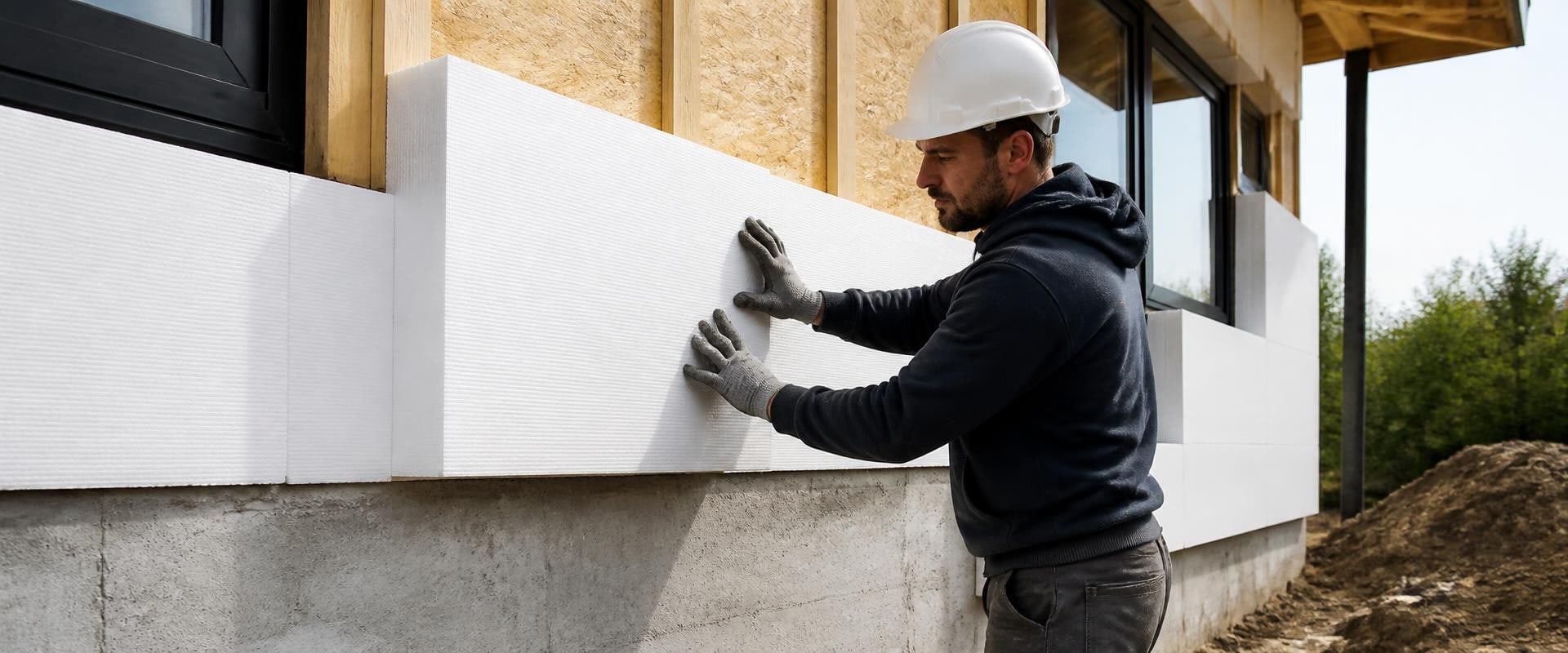
Installing foam board insulation can significantly enhance the energy efficiency of your home, and understanding the installation process is crucial for achieving optimal results. At San Diego Home Desk, we provide valuable insights to help homeowners navigate this important improvement. The first step in the installation process involves proper preparation. Begin by assessing the areas where you plan to install the foam board insulation. Common locations include exterior walls, basements, and attics.Ensure that these areas are clean, dry, and free from any obstructions. If necessary, repair any existing damage before proceeding. Next, measure the space accurately to determine how much foam board insulation you will need. When selecting your insulation boards, consider the thickness and R-value suitable for your climate and energy efficiency goals. It's essential to choose high-quality materials to maximize performance. When it comes to installation, homeowners have the option to tackle this project themselves or hire a professional.
For DIY enthusiasts, here are some tips: cut the foam boards to fit snugly between studs or joists using a utility knife or saw. Apply adhesive or mechanical fasteners according to manufacturer guidelines to secure the boards in place. Be sure to seal any gaps with tape or caulk to prevent air leaks. On the other hand, if you're not comfortable with DIY projects or if your installation involves complex areas, hiring a professional can save you time and ensure proper installation. Professionals have the experience and tools necessary to handle installations efficiently and effectively. Whichever route you choose, taking the time to understand the installation process of foam board insulation will help you achieve a more energy-efficient home.
For further guidance on insulation options and techniques, refer back to resources from San Diego Home Desk, where we strive to support homeowners in making informed decisions.
Comparing Foam Board Insulation to Other Insulation Types
When it comes to insulating your home, choosing the right material can make a significant difference in energy efficiency and comfort.Foam board insulation
stands out as a viable option among various insulation types, including fiberglass batts and spray foam. Understanding the strengths and weaknesses of each can help homeowners make informed decisions, especially with resources like San Diego Home Desk providing valuable insights into insulation options.Fiberglass batts
are one of the most common insulation materials used in residential applications. They are relatively inexpensive and easy to install, making them a popular choice for many homeowners.However, fiberglass batts can be less effective in areas with irregular shapes or around obstacles, leading to potential gaps that diminish their insulating performance. Foam board insulation, on the other hand, is rigid and can be cut to fit snugly around various structures, providing a more airtight seal.
Spray foam insulation
is another option that offers excellent thermal resistance and air sealing properties. It expands on application, filling gaps and voids effectively. However, it tends to be more expensive than both fiberglass and foam board options.In scenarios where high R-values and thorough sealing are critical, spray foam may be the preferred choice. Yet, for many applications—especially those requiring insulation of large flat surfaces like basement walls or exterior sheathing—foam board insulation provides an effective balance of performance and cost. Moreover, as interest in sustainable home improvements continues to grow, many homeowners are looking for insulation solutions that offer durability and energy efficiency. Foam board insulation can be an environmentally friendly choice when sourced from recycled materials, enhancing its appeal to eco-conscious consumers. In conclusion, while each insulation type has its unique advantages, foam board insulation often emerges as a strong candidate for specific applications due to its versatility and effectiveness. For homeowners in San Diego considering their insulation options, San Diego Home Desk serves as an invaluable resource for understanding the benefits and limitations of each material available. In conclusion, foam board insulation proves to be a vital component in enhancing energy efficiency and comfort within homes.
By understanding its benefits, types, and installation process, homeowners can make informed decisions that not only improve their living spaces but also contribute to sustainable home improvements. With its superior thermal resistance and versatility, foam board insulation stands out as a competitive option compared to other insulation materials. For those in San Diego looking to upgrade their insulation, San Diego Home Desk serves as an invaluable resource. Here, you can find detailed information and connect with local providers who can assist you with your insulation needs. Embracing foam board insulation could be the next step in your journey towards a more energy-efficient and comfortable home.