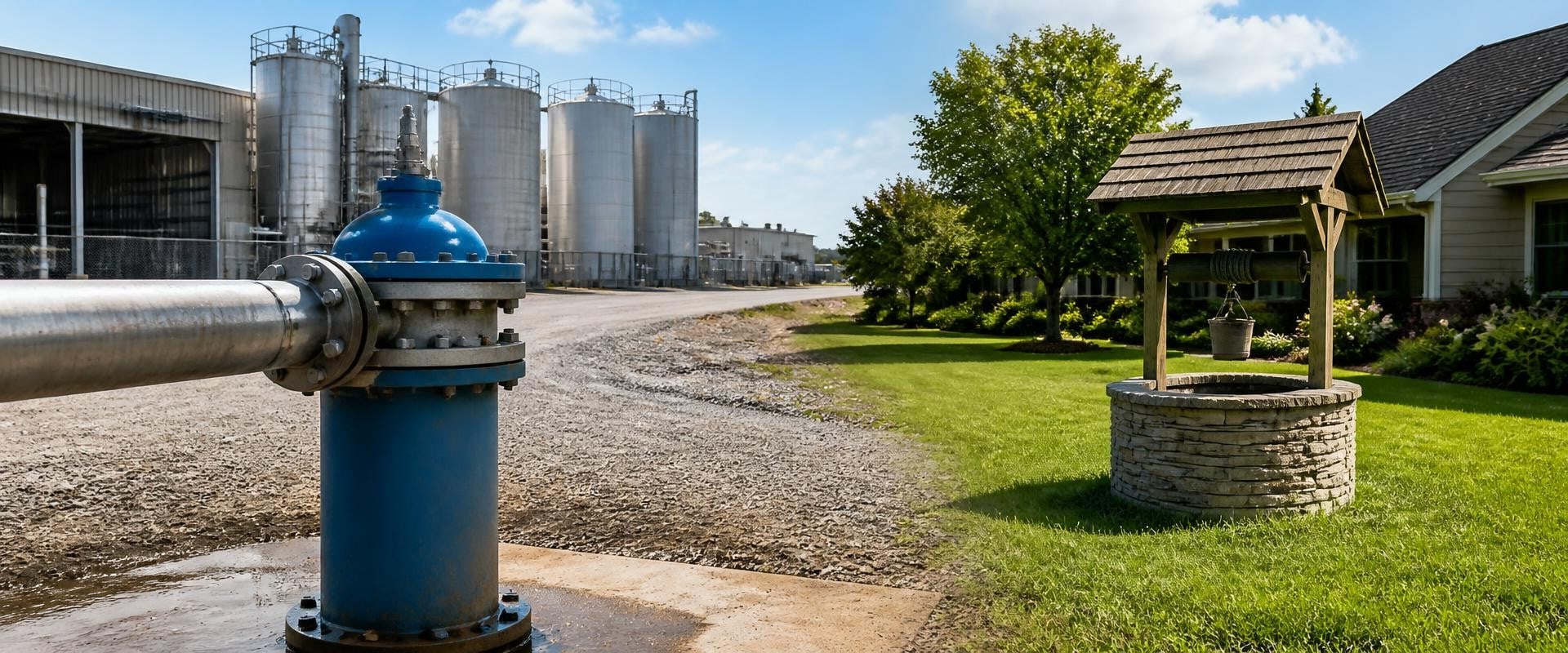
When it comes to sourcing water for your property, understanding the differences between residential wells and commercial wells is crucial. At San Diego Home Desk, we recognize that homeowners and property managers in San Diego often face this decision when considering their water supply options. Both residential and commercial wells serve essential functions, but they cater to different needs and requirements. This article aims to illuminate the key distinctions between these two types of wells, helping you make an informed choice whether you are drilling a well for your home or a larger commercial enterprise.
We will explore the varying depths, capacities, regulatory requirements, and maintenance considerations that differentiate residential wells from their commercial counterparts. With this knowledge, you can navigate the complexities of well drilling and ensure that your water supply meets your specific demands. So, let’s dive deeper into the world of wells and uncover what you need to know about residential wells vs. commercial wells.In the realm of water supply, understanding the distinctions between residential wells and commercial wells is vital for homeowners and property managers in San Diego.
The San Diego Home Desk serves as a trusted resource for those looking to enhance their knowledge about various home services, including well drilling. Residential wells are primarily designed to supply water for individual households, typically catering to a single family or a small group of homes. In contrast, commercial wells are used to provide water for businesses, agricultural operations, or larger residential complexes, serving multiple families or significant commercial activities. The construction methods for these two types of wells vary considerably. A residential well is generally shallower, usually ranging from 50 to 400 feet deep, with a diameter of about 4 to 6 inches.
They are often constructed using PVC or steel casing to ensure durability and prevent contamination. Meanwhile, commercial wells tend to be deeper, sometimes exceeding 1,000 feet, and have a larger diameter of up to 12 inches or more to accommodate higher water demand. The materials used in commercial well construction are similar but may include reinforced steel to withstand greater pressures and environmental conditions. When it comes to water quality considerations, both well types must adhere to strict regulations, especially in San Diego. The local government emphasizes the importance of regular testing for contaminants such as bacteria, nitrates, and heavy metals.
Residential well owners should be aware of the guidelines set forth by the San Diego County Department of Environmental Health, which oversees the safety and quality of drinking water from private wells. Commercial well operators face similar regulations but may also need to comply with additional environmental assessments due to their larger scale operations. The costs associated with drilling and maintaining these wells can vary widely. For a residential well, the initial drilling costs can range from $3,000 to $15,000 depending on depth and location, while annual maintenance costs are typically lower due to reduced complexity. In contrast, drilling a commercial well can exceed $20,000 and often requires more frequent maintenance and inspections due to higher usage levels and regulatory scrutiny.
Repair costs can also escalate quickly for commercial wells if issues arise, as they often involve more sophisticated systems. The type of well can significantly impact property value and access to water resources. Homes equipped with reliable residential wells may see an increase in property value due to the independence from municipal water systems and the potential for reduced utility costs. Conversely, properties that rely on commercial wells might attract businesses looking for reliable water sources but may also face challenges such as zoning restrictions and higher operational costs. For those in San Diego looking for assistance with installation or maintenance of either type of well, there are various local providers specializing in this area. Companies that offer well drilling services often have extensive experience navigating local regulations and can provide valuable insights into the best options for your specific needs.
Resources like the San Diego Home Desk can help connect you with reputable service providers who understand the unique challenges of well installation and maintenance in the region. Despite common misconceptions that residential wells are unsuitable for larger properties or that commercial wells are too expensive for average homeowners, both options have their place depending on individual circumstances. Homeowners should consider their water needs, local regulations, and long-term goals when deciding between the two types of wells. By understanding these differences and consulting with professionals, residents can make informed decisions that best suit their water supply requirements.
Understanding Residential Wells
Residential wells are a critical resource for homeowners, especially in areas like San Diego where access to municipal water may be limited or unreliable. These wells are typically designed to supply water for household use, including drinking, cooking, bathing, and irrigation.The average residential well can produce anywhere from 5 to 20 gallons of water per minute, depending on the depth and the aquifer it taps into. In terms of size, residential wells are generally smaller than their commercial counterparts. They usually range from 4 to 6 inches in diameter and are drilled to a depth of about 100 to 300 feet, although this can vary based on local geology and water table levels. The installation process for a residential well involves several key steps: first, a site assessment is conducted to determine the best location for drilling. Next, a drilling rig is brought in to create the borehole.
Once the well is drilled, it is fitted with a pump and casing to ensure the water is safe and accessible. After installation, it is crucial for homeowners to conduct regular maintenance and testing of their wells to ensure water quality and functionality. Resources provided by platforms like San Diego Home Desk can help homeowners understand these maintenance needs and find local professionals who can assist with well services.
Well Regulations in San Diego
When considering well drilling in San Diego, it is essential to understand the local regulations that govern both residential and commercial wells. The San Diego Home Desk provides a comprehensive overview of these regulations to help homeowners and property managers navigate the complexities associated with well installation and usage. The County of San Diego mandates strict guidelines to ensure that wells are drilled safely and sustainably. These regulations cover various aspects, including site assessment, water quality testing, and adherence to zoning laws.Before drilling, property owners must obtain the necessary permits from the Department of Environmental Health, which oversees the safety of groundwater resources. Additionally, regulations dictate the depth and construction standards for wells, which vary based on their intended use—residential or commercial. For instance, commercial wells typically require more rigorous testing and monitoring due to higher water demands and potential impacts on local aquifers. This is crucial for maintaining water quality and preventing contamination. Furthermore, it is important to note that regular inspections may be mandated for both types of wells to ensure compliance with health and safety standards. This ongoing oversight helps protect the community's water supply while providing peace of mind for those relying on well water. By staying informed about these regulations through resources like the San Diego Home Desk, homeowners and property managers can make educated decisions regarding their well options, ensuring they meet all legal requirements while securing a reliable water source.
Finding Local Providers
When it comes to finding reliable well drilling services in San Diego, San Diego Home Desk serves as an excellent resource for homeowners and property managers alike.The first step in your search should involve looking for companies that specialize in both residential and commercial wells. Start by using online platforms where reviews are readily available, such as Google, Yelp, or specialized home service websites. These platforms often provide customer feedback that can give you insights into the quality of service, timeliness, and overall satisfaction. Additionally, consider reaching out to local community forums or social media groups related to home improvement in San Diego. Here, you can ask for recommendations and experiences from fellow residents who have recently undertaken similar projects.
This peer feedback can be invaluable in narrowing down your options. Another effective method is to compare quotes from multiple providers. Many well drilling companies will offer free consultations or estimates. Use this opportunity to ask about their experience with both residential and commercial wells, as well as their approach to customer service. Gathering this information will help you make an informed decision based on both cost and quality. Lastly, check if the companies you are considering are licensed and insured.
This is crucial not only for your peace of mind but also to ensure that the work is performed according to local regulations and standards. By following these steps, you can find a reliable well drilling service in San Diego that meets your specific needs.
Key Differences Between Residential and Commercial Wells
When considering well options, it is essential to understand the key differences between residential wells and commercial wells. In San Diego, home improvement enthusiasts and property managers often find themselves evaluating these distinctions to make informed decisions about their water supply needs.Purpose
: The primary purpose of a residential well is to provide water for domestic use, including drinking, cooking, and irrigation for gardens or small landscaping projects. In contrast, commercial wells are designed to meet the demands of larger operations, such as agricultural irrigation, manufacturing processes, or supplying water to multiple properties.Construction
: The construction of residential wells typically involves drilling to a depth that meets the local aquifer's water table, often using smaller diameter casings compared to commercial wells.Commercial wells are generally larger and may require deeper drilling to access significant volumes of water, and they often have more robust construction standards to handle higher output and potential contaminants.
Maintenance Needs
: Maintenance requirements also differ significantly. Residential wells usually require periodic testing and maintenance to ensure water quality and system efficiency. In contrast, commercial wells may have more stringent maintenance protocols due to the higher stakes involved in water quality for business operations, including regular inspections and compliance with local regulations.Costs
: Finally, the costs associated with drilling and maintaining these wells vary greatly. Residential wells typically have lower initial costs but can incur ongoing expenses for testing and repairs.Commercial wells, while more expensive to drill due to their size and depth, can offer economies of scale over time if they efficiently meet large water demands. Understanding these differences is crucial for San Diego homeowners and property managers as they navigate their options for well drilling services.
Exploring Commercial Wells
Commercial wells are designed to meet the substantial water demands of businesses, agricultural operations, and other large-scale enterprises. Unlike residential wells, which typically serve single-family homes, commercial wells are constructed to accommodate a higher volume of water extraction and often operate on a larger scale. In San Diego, home improvement enthusiasts and property managers looking for reliable information about well options will find understanding these differences crucial. The scale of commercial wells can vary significantly depending on the specific needs of the business they serve. For instance, a manufacturing facility may require a high-capacity well to support its operations, while a local farm might need an irrigation well to sustain crops.The infrastructure around commercial wells typically includes more complex pumping systems and filtration processes to ensure water quality and availability. Furthermore, the usage of commercial wells extends beyond mere water supply; they can also play a vital role in irrigation, cooling systems, and even geothermal heating for certain businesses. In industries such as hospitality and agriculture, having a reliable source of water is essential for operational efficiency and sustainability. When considering the installation of a commercial well, it is important to be aware of the various regulatory aspects involved. Regulations can vary by location, but in general, commercial well drilling is subject to stricter guidelines compared to residential wells. Businesses must often obtain permits and comply with local water rights laws to ensure that their use of groundwater is sustainable and legally compliant.
This regulatory landscape helps protect local water resources while ensuring that businesses can operate effectively. For property managers and business owners in San Diego seeking to understand more about commercial wells, consulting with experts can provide valuable insights into the process and requirements. As highlighted by resources like San Diego Home Desk, having comprehensive knowledge about well options is crucial for informed decision-making in any home or business service context. In conclusion, understanding the distinctions between residential wells and commercial wells is essential for homeowners and property managers in San Diego who are considering their water supply options. We have explored the characteristics of each type of well, including their uses, regulatory requirements, and the key differences that can impact your decision-making process. By being informed about these aspects, you can choose the right solution that meets your specific needs. As you navigate through your options, remember that San Diego Home Desk is here to assist you in finding reliable local providers and resources for well drilling and other home improvement services.
Take the time to research and explore the best choices for your property.